Speech bubbles are tight spaces. We work comfortably inside them.
Webtoon and comic localization from raw files to publish-ready episodes: translation, artwork cleanup and redraw, typesetting, and lettering. Webtoons have constraints no other medium has: panels that scroll straight down, bubbles with fixed sizes, and sound effects fused into the art. The part most often forgotten: every character has to sound the same by episode two hundred.
What we do
Translation
Dialogue, narration, and sound effects translated by people. What we protect isn’t only the meaning, but each character’s personality.
Cleanup and redraw
Text is lifted out of the bubbles, sound effects are removed, and any art hidden under lettering is redrawn.
Typesetting and lettering
Text is set into the artwork without covering it, with type and spacing that keep the reading flow moving on a phone screen.
Per-title style guides
Each character’s voice, locked terminology, and type styles per bubble type. Letterers may change; the guide doesn’t.
One panel, two languages.
The same panel before and after our work, and a sped-up recording of what happens in between: Korean text lifted out, the sound effect redrawn, the translation set to the shape of each bubble.
-
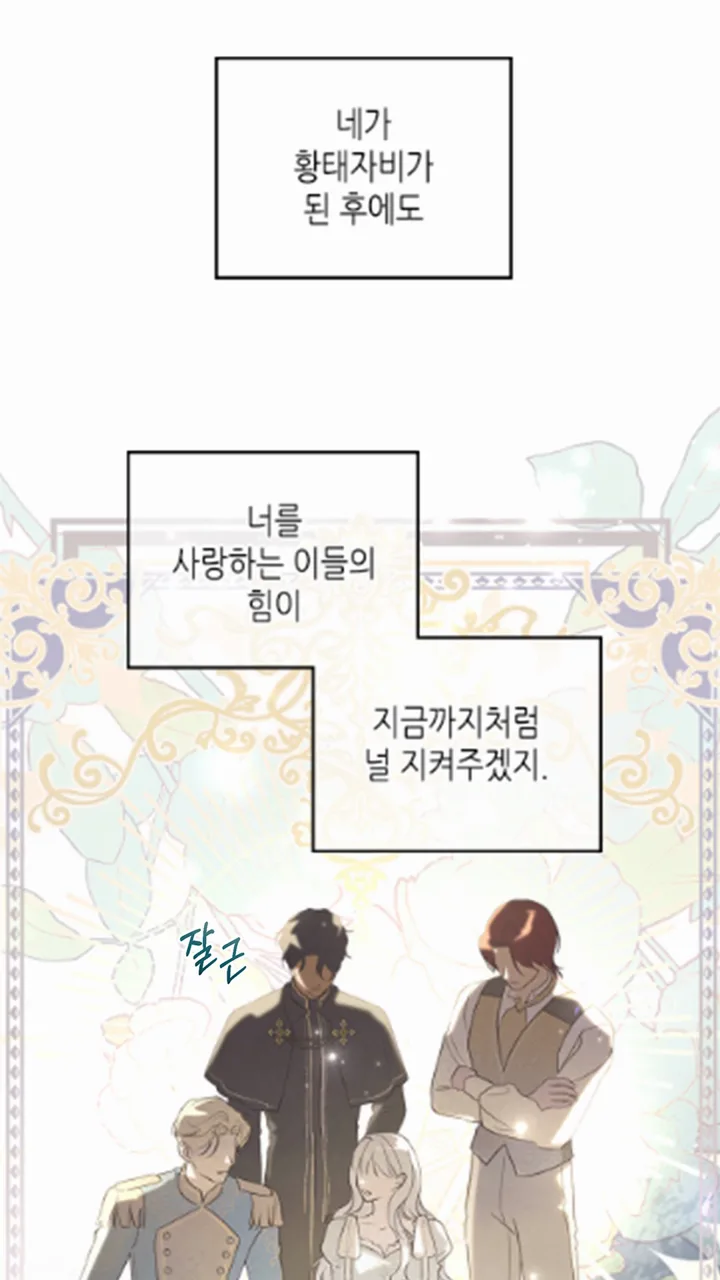
Before: source file, Korean
-
Process (sped-up recording): cleanup, redraw, lettering
-
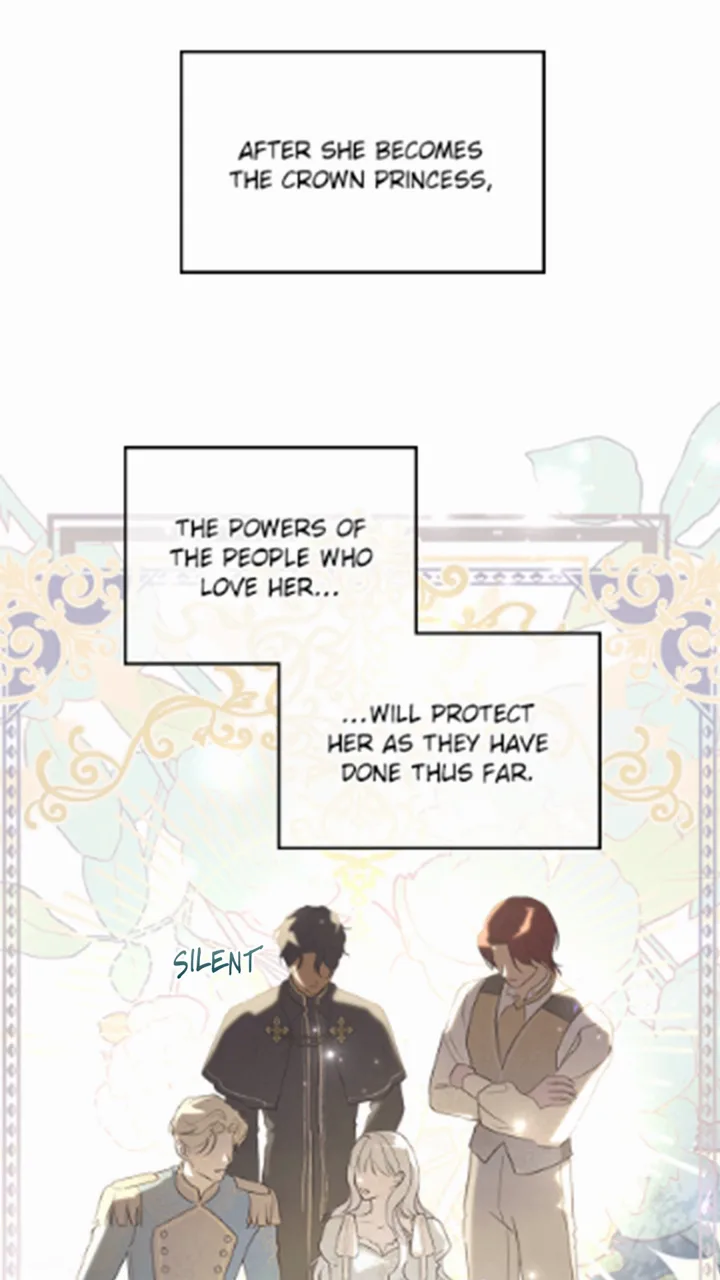
After: publish-ready, English
Typesetting and lettering are not the same thing.
Typesetting places the translation into bubbles and panels with the right font, size, and style. Lettering goes further: designing type that fits the comic’s mood, adjusting alignment and spacing, then redrawing sound effects until they look like they were always part of the art.
Our webtoon track record
This webtoon team has worked since 2019 under Translexi, before the Studio was formed, and continues in the Studio with the same people and style guides.
How a webtoon project runs
-
01
Source files
We start from the highest-resolution originals. Every conversion costs quality, so the better the source, the less gets lost.
-
02
Cleanup
Text and sound effects are removed, and any art they covered is redrawn.
-
03
Translation
Dialogue, narration, and sound effects are translated by people from the source file, in parallel with cleanup, following the title’s style guide.
-
04
Typesetting and lettering
Text is set without covering the art. You approve the first episode; the rest follow that decision.
Your approval
Frequently asked questions
Which languages, in which direction?
Korean into English, French, and Spanish is the lane we run every day. Indonesian, Japanese, and other pairs are available depending on the title.
Is the translation done with AI?
No. All webtoon work is translated and lettered by people, from the first panel to the last. Webtoon readers can tell immediately when a title has been machine-translated.
Our title isn’t released yet. How do you handle confidentiality?
We’re used to holding unreleased material. An NDA can be signed before the first file moves, and file access is limited to the team working on that title.
Which file formats do you accept?
The highest-resolution originals: PSD, CLIP, TIFF, or raw PNG. If exports are all you have, send them anyway. Our cleanup step exists for exactly that.
How do you keep hundreds of episodes consistent?
Every title gets its own style guide: each character’s voice, locked terminology, and type styles per bubble type. Whoever works on the next episode works from that guide.
Localizing something other than comics?
Games are handled by Gameloc, the game localization brand in the Translexi family, IGRS classification included. Apps, websites, and documents are handled by Translexi, our parent company.
Start with a paragraph.
Tell us what you’re working on. We reply with a direction and a cost estimate, usually the same day.